Her Reads
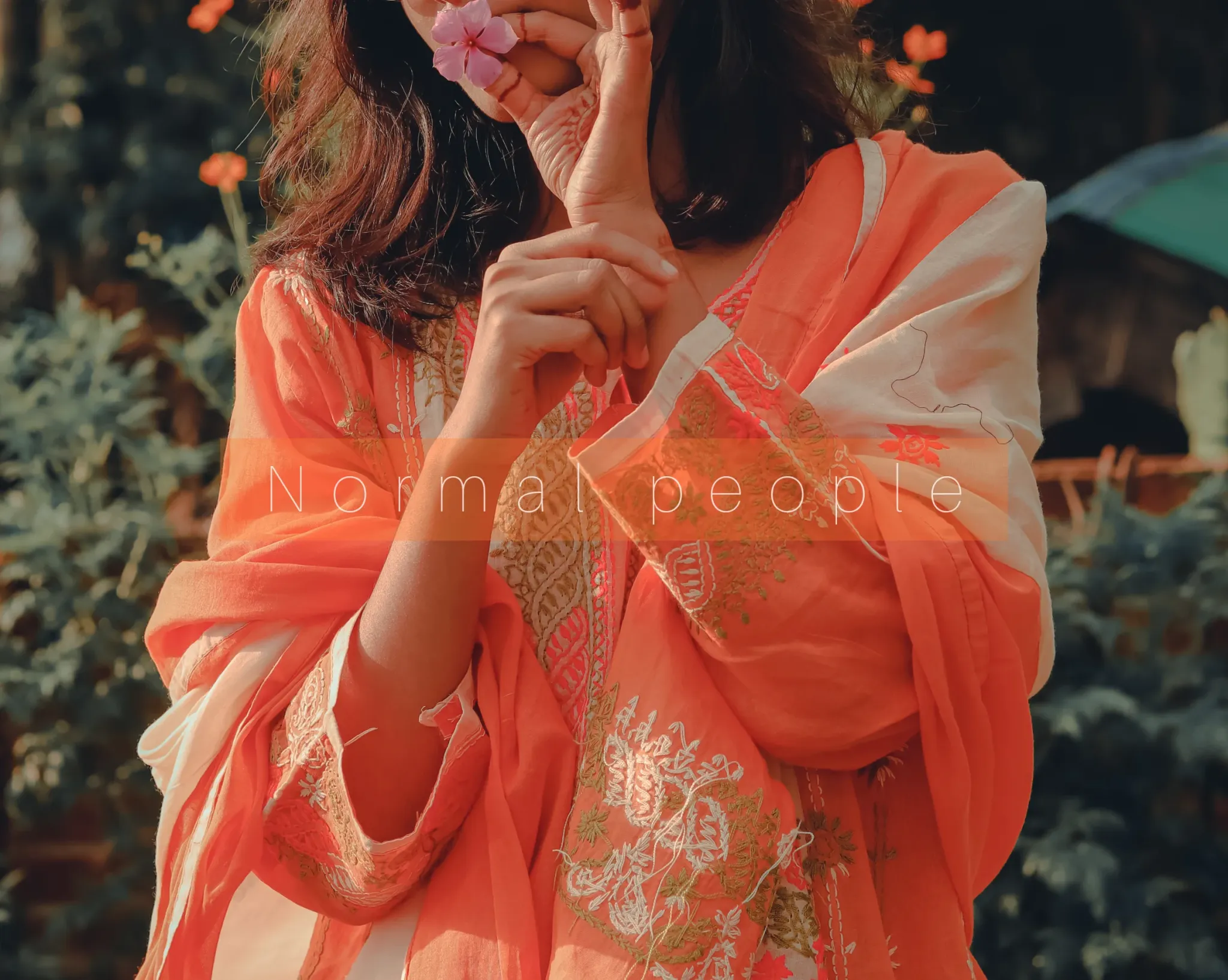
নিয়ে আমি প্রতিবার অনেক moja করি। লাফালাফি বলতে আমার মন লাফালাফি করে, মন ভালো থাকে নভেম্বর ঢুকলেই। তারপর কবে ২১ তারিখ আসবে সে নিয়ে হাপিত্যেশ করি। কিন্তু জন্মদিনের দিন আমার মন খারাপ হয়ে যায় ছোট্ট ছোট্ট কারণে। হয়তো ভেজা গামছা শুকোতে দেয়া হয়নি, আমার রাগ লাগে, মন খারাপ হয়। আবার হয়তো কেউ গান শুনছে, তার শব্দ আমি শুনছি,তখন মন খারাপ হয়ে যায়।
তবে জন্মদিনে আমি অনেক অনেক ভালোবাসা পাই। অপ্রত্যাশিত ভালোবাসা। এত্তো চিঠি পেয়েছি,চিরকুট পেয়েছি।সবাই কতো সুন্দর করে কথা লিখে পাঠিয়েছে! বই,শাড়ি পেয়েছি। ভীষণ সুন্দর একটা কেক পেয়েছি-আকাশ, সমুদ্র, মেঘ সব যেনো বক্সে বাঁধা। সোনাদিয়া থেকে ঘাসফুল এসেছে আর ঝিনুকের খোল এসেছে। বোনের পকেটমানি শেষ হয়েছে। জিলিপি আর একগাদা আইস্ক্রিম খেয়েছি,অনেকদিন ধরে তারাবাতি জ্বালানোর শখ, তাও হয়েছে।
আঁখি আপু পায়েস করে পাঠিয়েছে, আবার ওনার ছেলেরা ঘটা করে আইস্ক্রিম কেক আর চকোলেট এনেছে -নিজেরাই খেয়ে ফেলেছে।
আমার ঘরের জন্য মন খারাপ। রাধাচূড়া গাছের সীম খানা ছুঁয়ে দিয়ে ইচ্ছে হচ্ছে। ছাদে মাদুর বিছিয়ে সারাদিন ওতেই অলস ভাবে কাটাতে মন চাচ্ছে।
But i believe in “arrange whatever pieces come your way”. তাই আমার শান্তির ঘরের কথা থাক- এইযে ছোট্ট ছাদে রাতে বসে এসব লিখছি- ঠান্ডা বাতাস মনকেও নাড়া দিচ্ছে, এই-ই ভালো। এতেই সুখ।
নানুর বাড়ির দুটো জিনিস আমার ভীষণ পছন্দের। এক হলো বিশাল জায়গা, একপাশে ঘর,মস্ত উঠোন আর একগাদা গাছ। বসার একটা জায়গা আছে বাসার সামনে, অনেকটা ব্যালকনির মতো-তবে পিচ্ছিপাচ্চা না। আকাশ দেখা যায়-বৃষ্টি অনেক সুন্দর। তারচেয়ে বেশি সুন্দর সামনের এই রাধাচূড়া গাছটি। বৃষ্টি বা শীতের দিনে মনে হয় আমি এই গাছের দিকে তাকিয়ে এই দোলনায় বসে সারাজীবন কাটাতে পারবো।
এতো কথার কারণ হলো প্রায় ৪ থেকে ৫ মাস আগে আমি নানুদের রাধাচূড়া বীজ নিয়ে আমাদের ছাদে লাগিয়েছিলাম। সে গাছে নাকি ফুল হয়েছে,লম্বা একটা সীম হয়েছে। অথচ আমি দেখতে পেলাম না,ছুঁয়ে দিতে পারলাম না, এর গন্ধ নিতে পারলাম না। আমার মন খারাপ,প্রচন্ড রকম খারাপ।
১২.১১.২০২১
ঘাসফুল, আলো, বই, রাস্তায় ঝরা পাতা, বাগানবিলাসের ঝাড়, বা সুন্দর আকাশ সবে শান্তি। সবে আমি, মায়া,আর টুকরো ভালোবাসা।
∆Normal people by Sally Rooney.
There was a time when most of my favorite people from here were talking about this book. And finally,I picked it up last week and again yesterday. both times i said to myself i didn’t like the book. The book got too real for me, too raw, that’s it. and some people can’t handle the intensity some writings provide. The words, the feelings hit like arrows on the heart. And I don’t like wounds in my heart. Cause I come to fiction for sunshine, when life gets too real.
Also, there are mentions of some books, definitely going to read them.
I have so many things to say about this one. But it seems like I can’t write what I feel. I had so many things on my head while I was reading it. good things, bad things, anger, adoration. That’s what we want from a book right? To speak to us? To make us feel?
When I love a book, I want it to end soon.
I release a heavy sigh. “That’s not easy to do.”
Any tv adoption you are excited about? I am really excited to watch ‘The hating game’. Also, movie adoption of @lyssakayadams ‘s book is gonna be on screen soon(hopefully this year) and I want to see that one. As it’s my favorite series.
#bookreview *The hating game ★★★★
I love the plots where nemesis becomes lovers.
This is it! the author is on my auto-buy list.
Before diving into the book thoughts i want to say one thing-it may come as a spoiler, but it’s not that bad.
In romance books, you wait for the other shoe to drop. Someone to mess up, before everything is bubbly and amazing. Well, that stereotype was nowhere to be found here. And it was AAMAZING, emphasis on AA.
Book rant: Maybell Parish has always been a dreamer and a hopeless romantic.
Is love enough? I have never had that OMG!sort of love, i don’t even think i have gotten love unconditionally. Not that I am craving or so. It’s just some stories that make you want to have that sort of love.
Book:Life’s too short
Trigger warning: ALS, abandonment, addiction, grief.
The story introduces us to Vanessa Price who may or may not have ALS.
Have you watched Shadow and bone yet?? Who is your favorite?? If you haven’t and planning to watch the show, i can ignore the post -cause i will rant a lot about the show.
I had really high hopes when Netflix announced the show. I loved the book. And i haven’t expected them to exceed those expectations, but heads off to the scriptwriters who mixed ‘shadow and bone’ and SOC! I haven’t read SOC, but i am already a fan of the crows.
What's the most tiring question you get? Mine will be 'what filter you use' or 'what app do you use'. They are tiring cause I have talked about the apps I use like 100 times. But I get it, I do. when you join a book community or photo community, you see so much and get overwhelmed and excited and you just ask questions.
#Toalltheboysi'velovedbefore Have you watched the last movie of the TATBIlb series??? Who is your favorite character?? For me, it's PK and Kitty! I wish i had a sister like her! I have a soft spot for this series. Both for the books and the movies. They are my comfort watch.
I always had a passion for books and photography. Two years ago I discovered the bookstagram community. Since I learned a lot about photography. And still my favourite subject is books. I love creating contents about books.Here is some things i follow:
ⒻⓇⒺⒺ ⓅⓇⓄⓅⓈ ⒻⓄⓇ ⓂⓎ ⓅⒽⓄⓉⓄⓈ::
°I am a junk hoarder. Old envelopes, brown paper bag,old cd, cassette -i hold onto everything.
ⓅⒽⓄⓃⒺ ⒸⒶⓂⒺⓇⒶ ⓉⒾⓅⓈ: °Wipe your camera lens. °Natural light is always better for your photos.
As a woman – i always felt guilt. Not kidding. I live in a small country of Asia. And i was raised by the thought that women will be always less than men. You are on their mercy. Think before you say,see before you walk, don't raise your voice, don't expose yourself-bla bla bla. And the most important and amazing quote of my society' Men will be MEN'.
"Don't you understand? I'm a woman. I'm guilty by default. It's always like that. They will say I asked for it. A smile means I'm flirting. A nice word means I'm asking for it. Revealing clothes mean I'm inviting touch. That is fact."
I can't think of a day when i haven't read or touched a book. All i know,all virtues, all thoughts, all the things i know-they are from books. I am a person who loves words-who loves sentences that pouring heart out. So naturally i discovered my happiness in books.
Nowadays it takes courage to open social media or newspaper or any news portal. Eventually when i dare to have a peek-i can't even find words to describe the situation. And in those matter i regret that i was born here-where being a doctor is a cruse-where sharing your thought can be a joke to others-where you need to insult others to be cool.
✦ Thanks for joining me! ✦
"Good company in a journey makes the way seem shorter."